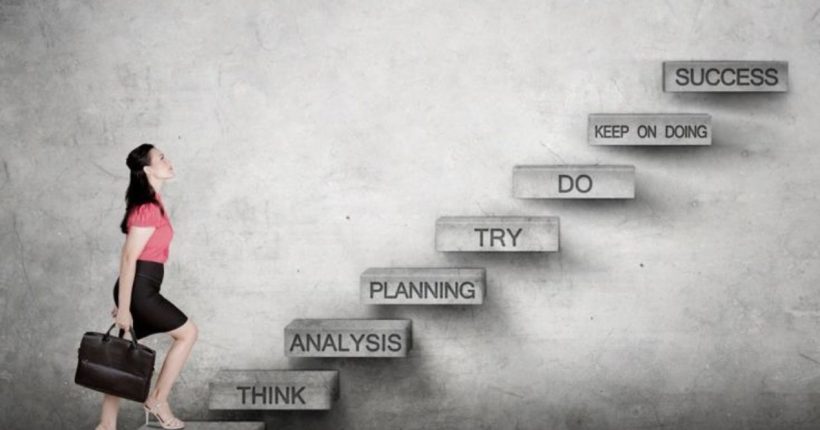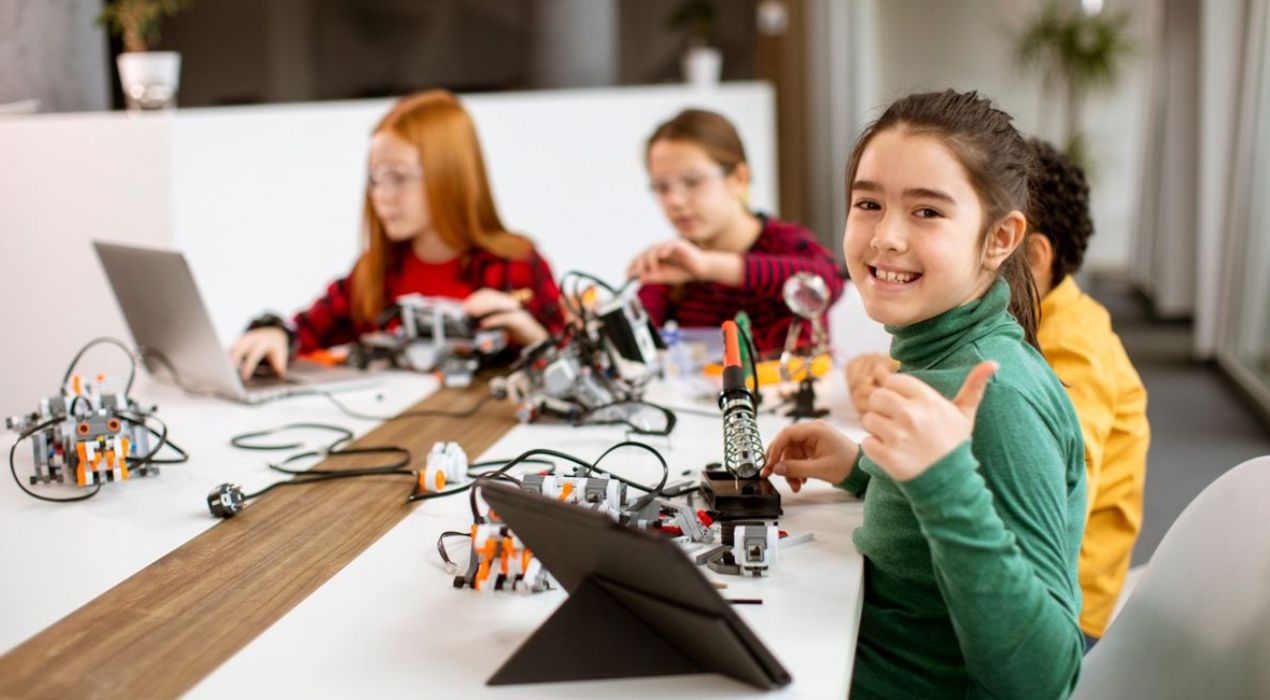
What is experiential learning and why is it becoming a cornerstone of modern education? This approach emphasizes learning through hands-on experience, reflection, and practical application rather than just theory. It helps students develop critical skills, adapt to real-world challenges, and advance their careers effectively.
At Oxford College, learners can access flexible online programs that integrate experiential learning, allowing them to study from anywhere in the world. By combining practical experience with structured academic guidance, this method transforms the way knowledge is gained and applied.
What is experiential learning ?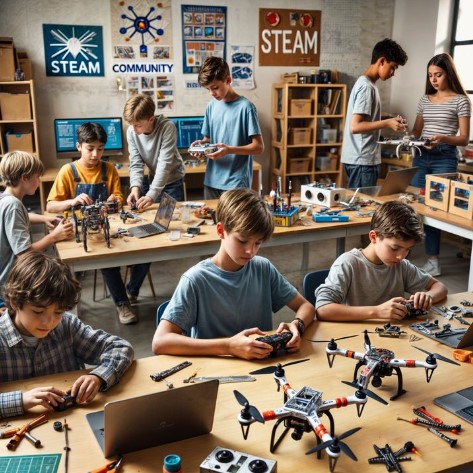
It is a method of education where students learn by doing, applying classroom knowledge to real-world situations. Through internships, projects, or practical tasks, learners develop essential skills and gain firsthand experience in their chosen field.
This approach connects theory with practice, helping students understand the demands and challenges of professional life. By participating directly in relevant work environments, experiential learning equips individuals with the confidence and abilities needed to succeed.
Benefits of Experiential Learning
Gain Practical Experience
Experiential learning allows students to apply classroom knowledge in real-world settings, giving them hands-on experience. This practical exposure helps learners understand the demands of their field and enhances their employability. By engaging in internships, projects, or challenges, students acquire skills that are directly relevant to their careers.
Expand Professional Networks
Participating in experiential learning opportunities connects students with peers, mentors, and industry professionals. These relationships can open doors to job opportunities, collaborations, and guidance. Building a strong network early on supports long-term career growth and professional development.
Develop Key Skills
Through experiential learning, students cultivate critical skills such as problem-solving, teamwork, communication, and time management. These competencies are valuable across any profession and help learners adapt to diverse work environments. Applying knowledge in practice reinforces these skills more effectively than traditional study alone.
Increase Engagement and Motivation
Being actively involved in experiential learning keeps students engaged and motivated. Hands-on experiences make learning more meaningful and encourage a deeper connection with the subject matter. This engagement boosts confidence and inspires continued academic and professional growth.
Clarify Career Direction
Experiential learning helps students explore different fields and understand their strengths and interests. By trying various roles and projects, learners gain clarity about their future career path. This sense of direction allows them to make informed decisions and pursue opportunities aligned with their goals.
Encourage Interdisciplinary Collaboration
Many experiential learning activities involve working with diverse teams and tackling complex problems. This fosters collaboration across disciplines, teaching students how to integrate multiple perspectives. Such experiences prepare learners for the collaborative nature of modern workplaces
Read also: Complete Guide to Experiential Learning: Meaning, Methods, and Examples
12 Powerful Benefits of Online Training for Career Growth in 2026
Oxford College: Experiential Learning Anywhere, Anytime
Oxford College empowers students to learn by doing, even from a distance, combining practical experience with structured academic guidance. Through programs that recognize prior work and real-life achievements, learners can transform hands-on experience into accredited qualifications. The College’s advanced digital platforms allow students to practice skills, complete assessments, and gain professional insights online. This approach ensures education remains flexible, career-focused, and directly connected to the realities of today’s professional world.
Practical Ways to Experience Learning Firsthand
- Hands-On Challenges: Experiential learning examples involve engaging in real-world problem-solving tasks that test your knowledge and creativity, giving learners practical skills and hands-on experience.
- Classroom Projects with a Twist: Collaborative projects that simulate professional scenarios and outcomes.
- Internships & Work Placements: Immersive experiences in companies or organizations to apply academic learning.
- Research Initiatives: include conducting in-depth studies and producing findings relevant to your field, allowing learners to apply their knowledge practically and gain hands-on research experience
- Service Learning & Community Engagement: Participating in projects that combine social impact with skill development.
- Cross-Disciplinary Programs: Activities like diversity and inclusion projects that enhance soft skills applicable across careers.
- Creative Presentations: Developing podcasts, videos, or digital stories to showcase research and teamwork.
- Global & Cultural Exploration: Learning about histories, cultures, and societal issues through collaborative study.
- Skill-Focused Experiences: Building teamwork, time management, research, writing, and public speaking skills.
A Complete Guide to Experiential learning model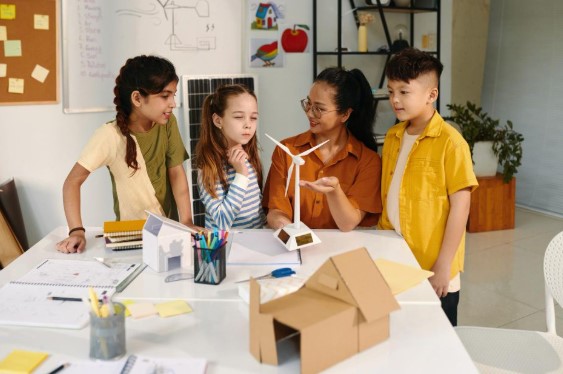
Hands-On Experiencer
This style focuses on feeling and engaging directly with tasks while balancing reflection and action. Learners are intuitive, warm, and connected, excelling in teamwork and building trust. They thrive in collaborative environments and feel comfortable expressing emotions.
Visionary Thinker
Learners with this style emphasize feeling and reflection, spending minimal time deciding. They are creative, empathetic, and self-aware, enjoying ambiguity and exploring new possibilities. They excel at generating ideas and envisioning future opportunities.
Thoughtful Observer
The Thoughtful Observer style prioritizes reflection informed by both thoughts and feelings, with minimal action. Learners are patient, careful, and attentive, listening actively to others. They analyze situations from multiple perspectives and uncover underlying issues effectively.
Analytical Planner
This style centers on structured thinking and reflection, with minimal initiation of action. Learners are precise, methodical, and detail-oriented, integrating information to gain a comprehensive understanding. Critical thinking guides their decisions and problem-solving processes.
Logical Strategist
Logical Strategists emphasize thinking while balancing reflection and action, with limited hands-on experience. Learners are organized, skeptical, and analytical, using data and reasoning to frame solutions. They communicate ideas clearly and make independent, sound judgments.
Decisive Performer
Learners in this style focus on thinking and action, spending minimal time imagining. They are practical, goal-oriented, and accountable. They set priorities, solve problems efficiently, and commit fully to achieving tangible outcomes.
Action-Oriented Achiever
This style relies on feeling and thinking to drive action, with minimal reflection. Learners are assertive, courageous, and achievement-focused. They implement plans effectively, meet deadlines, and find ways to reach goals with limited resources.
Proactive Initiator
Proactive Initiators emphasize feeling and action, with minimal time spent analyzing. Learners are outgoing, spontaneous, and resilient, seizing opportunities actively. They embrace challenges, learn from setbacks, and persistently pursue objectives.
Adaptive Balancer
Adaptive Balancers shift fluidly between experiencing-thinking and acting-reflecting approaches. Learners integrate multiple styles to handle diverse situations. Their flexibility enables them to manage complexity effectively while maintaining equilibrium.
FAQ
How can experiential learning benefit your organization?
Experiential learning helps employees transform their approach to personal and professional growth. Rather than focusing on memorizing data or facts, participants learn to continuously improve, expand their skills, and build meaningful connections that contribute to both individual and organizational success.
What is Carl Rogers’ Experiential Learning Theory all about?
Carl Rogers’ Experiential Learning Theory focuses on designing learning experiences that encourage personal engagement, self-directed projects, learner-led evaluation, and meaningful, lasting impact on the individual.
How does David Kolb’s experiential learning cycle function?
Kolb’s model describes learning as a continuous loop that begins with a direct, concrete experience. Learners then reflect on that experience, analyze and conceptualize the lessons, and use these insights to inform future actions. This ongoing cycle encourages deeper understanding, skill development, and adaptive learning over time
In conclusion, understanding what is experiential learning highlights the true value of learning through real-world practice and meaningful engagement. This approach bridges the gap between theory and application, empowering learners to build skills that truly matter. Platforms like Oxford College play a vital role in supporting this model by offering flexible programs that integrate practical experience with academic excellence.