The 4 Stages of the Experiential Learning Cycle Explained with Examples

  • 24 March 2026
experiential learning cycle

experiential learning cycle serves as a foundational framework that emphasizes learning through direct experience, reflection, and practical application. It enables learners to actively engage with content rather than passively receiving information, which enhances deeper understanding and long-term retention of knowledge. This approach also supports the development of essential skills such as critical thinking, problem-solving, and adaptability across different learning environments.

In this context, Oxford College stands out as an institution that integrates experiential methodologies within its educational programs to enhance learner outcomes. Overall, experiential learning continues to shape modern education by bridging the gap between theory and real-world practice, creating more meaningful and impactful learning experiences.

The Four Stages of the Kolb Experiential Learning Cycleexperiential learning cycle
Direct Engagement with Experience

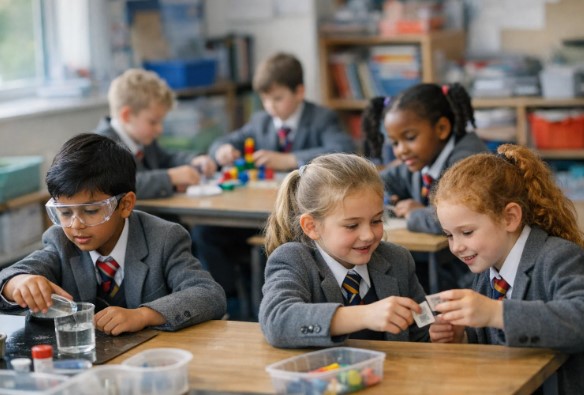
Learning starts when individuals immerse themselves in real situations and interact with their environment using their senses and awareness. This stage represents the first of the four stages of the experiential learning cycle, where the focus is on experiencing events as they unfold rather than analyzing them. Learners observe, participate, and gather initial impressions that form the foundation of understanding. This direct involvement creates the raw material for deeper learning.

Read also: Experiential Learning Theory Explained: Models, Principles, and Examples
11 Key Benefits of Experiential Learning for Students and Professionals

Reflective Observation and Meaning Making

After engaging in an experience, learners take time to step back and carefully examine what occurred. They review their actions, thoughts, and emotional responses to make sense of the situation.

This reflection helps them identify patterns, evaluate outcomes, and relate personal insights to the experience. Through this process, raw experiences begin to transform into meaningful understanding.

Concept Formation and Analytical Thinking

At this stage of the experiential learning cycle, learners move from reflection to structured thinking, where they organize their observations into coherent ideas and concepts. They begin to develop theories, principles, or generalizations that explain what they have experienced.

This analytical process allows them to connect new knowledge with prior understanding. It strengthens their ability to think abstractly and reason logically about different situations

Practical Application and Experimentation

In the final stage of the experiential learning cycle stages, learners apply the concepts and theories they have developed to new or real-world contexts. They test their ideas through action, observe the results, and adjust their approach based on feedback.

This experimentation completes the learning cycle and generates new experiences to learn from. As a result, learners continuously refine their knowledge and improve their skills through practice.

In alignment with the experiential learning cycle stages, Oxford College applies this model by guiding learners through real or simulated experiences, reflection, concept development, and practical application. This approach enables students to connect theory with practice, deepen their understanding, and continuously enhance their skills through active and meaningful learning.

Understanding the Concept of Experiential Learning

Experiential learning refers to a dynamic approach to acquiring knowledge in which individuals learn through direct involvement in activities, followed by reflection and practical application. The Experiential Learning Theory proposed by David A. Kolb explains that learning is a continuous cycle shaped by experience, observation, conceptualization, and experimentation.

Rather than relying solely on passive instruction, this model emphasizes active engagement as the core driver of understanding and growth. It highlights that learning is not confined to formal education but occurs in everyday life, evolving continuously as individuals interact with their environment

Read also: Complete Guide to Experiential Learning: Meaning, Methods, and Examples
12 Powerful Benefits of Online Training for Career Growth in 2026

Experiential learning cycle Examples

Science Experiment (Classroom)

Students perform a hands-on experiment (e.g., mixing chemicals or testing plant growth), observe the results, discuss what happened, connect it to scientific theories, and then apply the concept in a new experiment or assignment.

Customer Service Training (Workplace)

Employees interact with simulated or real customers, reflect on the interaction, analyze what went well or poorly, learn communication strategies, and then apply improved techniques in future customer interactions.

Cooking Activity (Home Learning)

A learner prepares a recipe, observes the outcome, reflects on taste and process, understands the role of ingredients and techniques, and then experiments by modifying the recipe.

Business Simulation (Education/Training)

Participants run a simulated business, review performance results, analyze decisions, learn business principles, and adjust strategies in the next simulation round.

Field Trip (Real-World Learning)

Students visit a museum, factory, or natural site, observe and engage with the environment, reflect through discussion or journaling, connect the experience to classroom concepts, and apply their insights in projects or presentations.

Understanding Experiential Learning Stylesexperiential learning cycle

Experiencing Style

The Experiencing style focuses on active involvement and emotional engagement in the learning process. Individuals who prefer this style are warm, intuitive, and effective in teamwork, often building strong and trusting relationships with others. They learn best through direct interaction and tend to express themselves openly, which helps them stay connected to the learning environment.

Imagining Style

The Imagining style emphasizes reflection and emotional understanding while encouraging creativity and idea generation. Learners with this style are empathetic, open-minded, and comfortable in uncertain situations, often using their imagination to explore possibilities. They enjoy helping others and are skilled at developing new ideas and long-term visions.

Reflecting Style

The Reflecting style involves careful observation and thoughtful consideration of experiences before acting. Individuals with this preference are patient, attentive, and prefer to listen and gather information from different sources. They are able to analyze situations from multiple perspectives, which helps them identify problems and understand complex issues clearly.

Analyzing Style

The Analyzing style is centered on logical thinking, structure, and detailed examination of information. Learners who use this style are methodical, organized, and focused on planning to avoid mistakes. They rely on data and critical thinking to understand situations and form accurate conclusions.

Thinking Style

The Thinking style emphasizes rational thinking and objective analysis while balancing reflection and action. Individuals with this style are logical, structured, and independent, often using evidence and quantitative methods to solve problems. They communicate ideas clearly and make decisions based on reasoning rather than emotion.

Deciding Style

The Deciding style combines thinking with action, focusing on practical solutions and goal-oriented behavior. Learners who prefer this style are direct, responsible, and efficient in reaching conclusions. They are able to commit to decisions and work toward clear objectives in a focused and results-driven manner.

Acting Style

The Acting style emphasizes initiative, execution, and achieving goals through direct action. Individuals with this preference are confident, proactive, and comfortable working under pressure or deadlines. They focus on implementing plans quickly and effectively, often making the most of limited resources.

Initiating Style

The Initiating style is characterized by spontaneity, enthusiasm, and a willingness to take risks. Learners with this style are outgoing and adaptable, often embracing new experiences without hesitation. They are not discouraged by failure and are motivated to try again while actively seeking opportunities.

Balancing Style

The Balancing style reflects flexibility, as individuals move between different approaches depending on the situation. Learners with this style can identify gaps, adapt to changes, and understand multiple perspectives. They are effective in bringing people together and adjusting their strategies to meet shifting needs.

Kolb Educator Role Profile

Facilitator

The Facilitator focuses on creating a supportive and engaging learning environment where learners feel comfortable participating. This role encourages discussion, collaboration, and active involvement among students. The educator guides learners by asking questions, encouraging reflection, and helping them connect their experiences to learning concepts. Through this approach, learners are motivated to share ideas and take an active role in their own learning process.

Expert

The Expert provides knowledge, explanations, and subject-matter guidance to support learner understanding. In this role, the educator shares information, clarifies concepts, and ensures that learners grasp key ideas accurately. The Expert plays an important part in building a strong foundation of knowledge. By offering clear explanations and structured input, this role helps learners develop confidence in the subject matter.

Evaluator

The Evaluator focuses on assessing learner performance and measuring progress. This role involves giving feedback, checking understanding, and ensuring that learning outcomes are being achieved. The educator uses various methods to evaluate skills, knowledge, and application. Through constructive feedback, learners are able to recognize their strengths and identify areas that need improvement.

Coach

The Coach supports learners by guiding their personal development and helping them apply what they have learned in real situations. This role emphasizes encouragement, motivation, and ongoing feedback to improve performance. The educator works closely with learners to build confidence and enhance their abilities. By providing guidance and support, the Coach helps learners turn their experiences into meaningful growth.

Core Principles of Experiential Learning According to John Dewey

  • Understanding is built through direct involvement and practical application rather than theory alone.
  • Effective learning depends on active participation, not passive observation or memorization.
  • The learning process is influenced by social interaction and collaboration with others.
  • Education should promote shared participation, openness, and equal involvement among learners.
  • Reflecting on experiences plays a key role in deepening insight and improving learning outcomes.

How to Apply Experiential Learning in Training Programsexperiential learning cycle
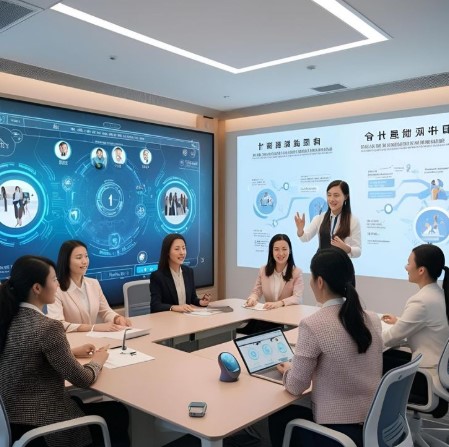
Now that the concept is clear, the next step is understanding how to effectively integrate experiential learning into structured workplace training. Modern learning technologies, including learning management systems and mobile learning apps, make it easier to combine experience with reflection in a practical and engaging way.

Design Realistic Learning Experiences

Begin by creating activities that simulate real-life situations without the need for physical workshops or labs. Digital environments can replicate workplace scenarios through interactive methods such as game-based learning, scenario-driven tasks, or immersive simulations. These experiences allow learners to practice skills safely while preparing for real challenges. For example, employees can handle virtual customer interactions and develop problem-solving abilities in realistic contexts.

Integrate Reflection into the Learning Process

Ensure that learners have enough time and tools to reflect on their experiences after completing activities. This can be achieved through open-ended questions, guided discussions, or structured exercises. Reflection helps learners evaluate their performance, recognize strengths, and identify areas for improvement. It transforms simple participation into meaningful understanding.

Encourage Repetition and Learning from Mistakes

Allow learners to revisit tasks and try again after receiving feedback. Repetition builds confidence and helps refine skills over time. Creating a supportive environment where mistakes are seen as part of the learning journey is essential. Adding gamification elements like points, badges, and leaderboards can further motivate learners to improve continuously.

Promote Learning Through Collaboration

Encourage learners to observe others, exchange experiences, and learn from different perspectives. Social learning plays a key role in expanding understanding and improving performance. Building a collaborative environment or knowledge-sharing community allows individuals to benefit from collective experiences and insights.

Implement Practical On-the-Job Learning

Support experiential learning through real workplace exposure by offering mentoring, coaching, or shadowing opportunities. Learning directly from experienced professionals helps learners apply their knowledge in real situations. Continuous feedback and self-reflection after these experiences ensure ongoing development and long-term success.

The Advantages of Learning Through Experience

Experiential learning can sometimes seem difficult for learning and development teams, especially when trying to deliver practical, hands-on training on a large scale. However, its impact makes it worth the effort.

  • Studies show that learning through experience significantly improves knowledge retention, reaching around 68% compared to only 29% with traditional methods.
  • Other research highlights even higher results, indicating up to a 70% improvement in how well learners retain information.
  • Numerous studies consistently confirm the positive influence of experiential learning on overall learning outcomes.
  • Additionally, 79% of employees consider real workplace learning experiences essential for their growth and development

FAQ

How does the experiential learning cycle improve knowledge retention?

 The experiential learning cycle improves knowledge retention by engaging learners in hands-on experiences that make learning more meaningful and easier to remember. Reflection helps them understand and organize what they have learned, while applying and experimenting reinforces their knowledge. This process strengthens memory and supports better recall in real-life situations.

Why is reflection an important stage in the experiential learning cycle?

Reflection is important because it allows learners to analyze their experiences and understand what they have learned from them. It helps them identify strengths, mistakes, and areas for improvement. Through reflection, learners can connect practical experiences to concepts, leading to deeper understanding and more effective learning outcomes

In conclusion, the experiential learning cycle enhances learning by combining experience, reflection, and application to build deeper understanding. It supports the development of practical skills and long-term knowledge retention. Oxford integrates this approach within its programs to deliver more effective and meaningful learning experiences.

Leave A Reply

Your email address will not be published. Required fields are marked *

You May Also Like

free online courses have revolutionized the way individuals access knowledge and acquire new skills in today’s digital era, as they...
Career development has become a top priority for professionals in today’s fast-paced and competitive world, as acquiring new skills and...
Online certification courses have transformed the way individuals gain knowledge and develop skills in today’s fast-paced digital world. These courses...
What is career development? This question is central for anyone aiming to grow professionally and achieve long-term success. At Oxford...