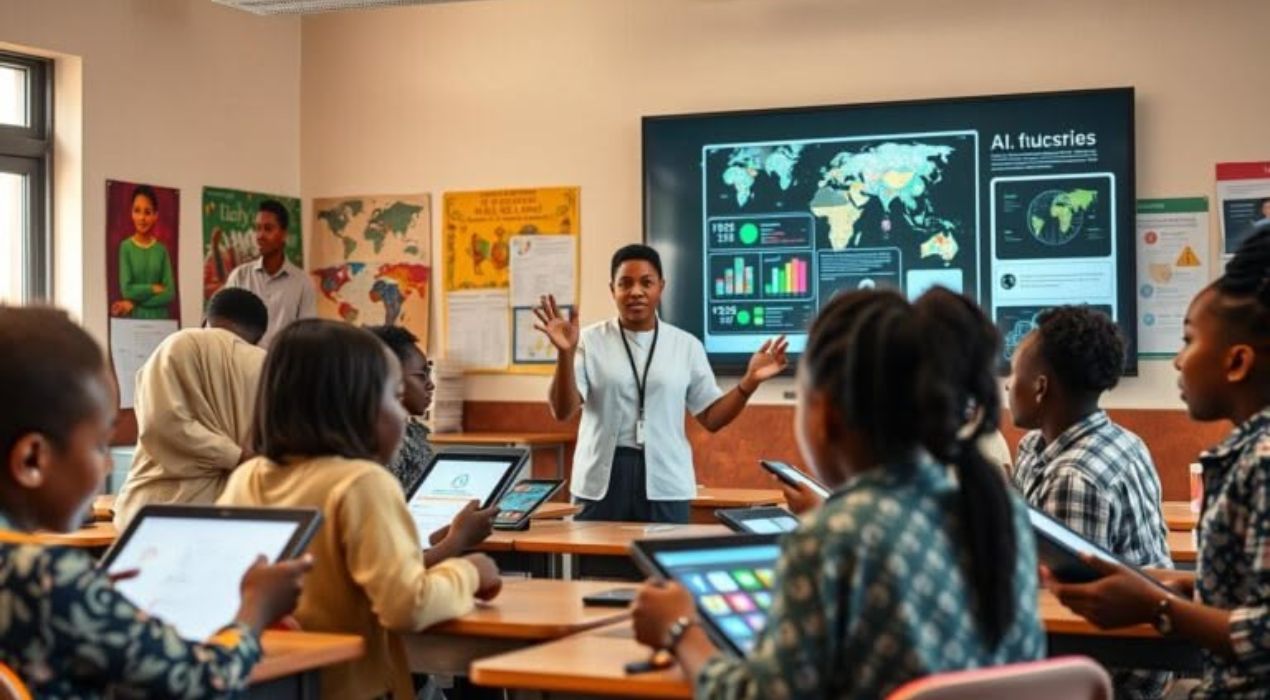
The benefits of experiential learning are widely acknowledged as an effective approach that connects theoretical knowledge with real-world application. This approach emphasizes active participation, hands-on practice, and reflection, allowing learners to better understand and retain information. It also helps develop critical thinking, problem-solving skills, and adaptability in various academic and professional contexts.
In this regard, Oxford College is recognized as one of the leading destinations as one of the leading destinations that embrace innovative and experiential methods within its educational environment. Overall, experiential learning continues to play a vital role in shaping more engaging, practical, and impactful learning experiences.
Benefits of Experiential Learning for Educators and Students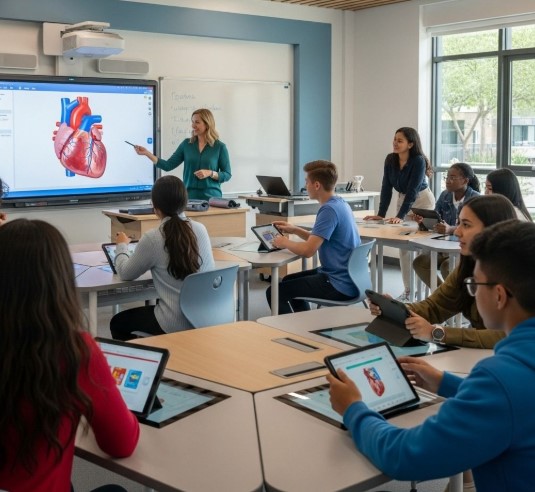
Increasing Classroom Engagement
Experiential learning transforms students from passive listeners into active participants in the learning process. One of the key benefits of experiential learning is that it captures students’ attention and encourages meaningful interaction with the content.
By involving them in practical activities, it creates a dynamic classroom environment where boredom is reduced and participation is naturally increased. As a result, educators can guide students more effectively and maintain a higher level of engagement throughout the lesson.
Read also: The 4 Stages of the Experiential Learning Cycle Explained with Examples
What Is Online Learning? Complete Guide for Students in 2026
Enhancing Deep Understanding
Hands-on experiences help students connect theoretical concepts with real-world applications in a more meaningful way. One of the key advantages of experiential learning is that when learners apply what they study in practical contexts, their comprehension becomes stronger and more lasting.
This approach improves memory retention and makes it easier for students to recall information when needed. It also allows educators to ensure that learning goes beyond memorization into true understanding.
Developing Critical Thinking Skills
Experiential learning encourages students to analyze situations from multiple perspectives and evaluate different solutions. One of the key benefits of experiential learning is that it helps students move beyond memorization, guiding them to think independently and make informed decisions.
This process strengthens their analytical abilities and problem-solving mindset. Over time, students become more confident in approaching complex tasks with a structured way of thinking.
Read also: Experiential Learning Theory Explained: Models, Principles, and Examples
The 4 Stages of the Experiential Learning Cycle Explained with Examples
Strengthening Problem-Solving Abilities
The benefits of experiential learning in education are evident through real-world scenarios where students are exposed to challenges that require practical and creative solutions. They learn how to test ideas, evaluate outcomes, and refine their approaches accordingly. This hands-on process helps them understand how to handle difficulties in a systematic way. As a result, they become more capable of tackling problems efficiently and effectively.
Improving Communication Skills
Working in interactive environments encourages students to express their ideas clearly and listen to others. Among the benefits of experiential learning is its ability to strengthen communication through active discussions, perspective sharing, and collaborative tasks aimed at achieving common goals.
This enhances both verbal and interpersonal communication skills. Educators also benefit by fostering a more open and interactive learning atmosphere.
Promoting Teamwork and Collaboration
Experiential learning often involves group-based activities where students must cooperate to complete tasks. This helps them understand the importance of sharing responsibilities and respecting different viewpoints. Through collaboration, they build trust and develop a sense of accountability within the team. These skills are essential for both academic success and future professional environments.
Increasing Learning Motivation
When students actively participate in their learning, they feel more connected to the subject matter. This sense of involvement increases their motivation and encourages them to stay focused. Learning becomes more meaningful as it is linked to real-life experiences rather than abstract concepts. Consequently, students are more likely to remain engaged and committed to their educational journey.
Supporting Adaptability and Continuous Learning
Experiential learning exposes students to changing situations that require flexibility and adjustment. Among the benefits of experiential learning is the development of the ability to adapt strategies based on feedback and outcomes. Mistakes are viewed as opportunities for improvement rather than failures. This mindset fosters continuous learning and prepares students to handle uncertainty with confidence.
Connecting Knowledge to Real Life
One of the key strengths of experiential learning is its ability to bridge the gap between theory and practice. The importance of experiential learning lies in helping students gain a clearer understanding of how academic concepts apply in real-world contexts. This connection makes learning more relevant and meaningful. It also helps students appreciate the value of what they are studying.
Improving Academic Performance
Active involvement in learning processes enhances comprehension and retention of information. Students who engage in practical activities tend to perform better academically because they understand concepts more clearly. This reduces the likelihood of forgetting material over time. As a result, their overall academic outcomes improve significantly.
Building Self-Confidence
The benefits of experiential learning for students are evident as experiential learning gives students the opportunity to test their abilities in real situations. Each successful experience contributes to boosting their confidence and self-belief. It also helps them overcome the fear of making mistakes and encourages them to participate more actively. Over time, this leads to stronger self-assurance in both academic and personal contexts.
Through Oxford College, learners benefit from experiential learning by engaging in real-world activities, reflection, conceptual understanding, and practical application, which enhances knowledge retention, develops critical thinking, and enables them to apply theories effectively while building practical skills for real-life challenges and continuous growth.
Definition of Experiential Learning
Experiential learning is an educational approach that goes beyond simple participation, focusing on an ongoing cycle of active involvement, reflection, and real-world application. It encourages learners to engage directly with tasks and situations that allow them to connect theory with practice in meaningful ways. Through this process, students gain deeper insights into the subject matter while developing practical skills and critical thinking abilities.
Stages of the Experiential Learning Cycle
Stage of Hands-On Engagement and Direct Experience
In this initial stage, learners actively participate in practical activities that allow them to interact directly with the subject matter. These activities are designed to be interactive and engaging, such as conducting experiments, taking part in simulations, or completing creative tasks.
Through this involvement, students encounter new situations or reassess what they already know within a practical context. This direct exposure helps them build an initial, experience-based understanding rather than relying solely on theory.
Stage of Reflection and Self-Analysis
After completing the hands-on experience, learners move into a phase of reflection where they carefully consider what they have done. They focus on reviewing their actions, thoughts, and emotional responses to the experience.
This reflective process helps them understand the outcomes of their actions and identify both strengths and areas that need improvement. It also serves as a bridge between practical experience and theoretical understanding, preparing the learner for deeper conceptual thinking.
Stage of Concept Development and Theoretical Structuring
At this stage, learners begin transforming their observations and reflections into structured ideas and theoretical models. They connect new insights with prior knowledge to form a more comprehensive understanding of the subject. This may involve deriving principles, patterns, or explanations based on what was experienced earlier.
The process enhances abstract thinking and strengthens analytical and reasoning abilities, supporting intellectual growth and creativity.
Stage of Application and Knowledge Testing
In the final stage, learners apply the knowledge and concepts they have developed to new or real-world situations. They test their ideas by solving problems, experimenting with different approaches, or performing tasks in varied contexts.
This application helps evaluate how well the concepts are understood and allows for adjustments where necessary. Through this stage, knowledge becomes more solidified, and learners become better equipped to handle future challenges with confidence and practical competence
FAQ
How does experiential learning influence learners?
Experiential learning, often incorporating work-based experiences, plays a transformative role in personal and professional development by enabling individuals to build practical skills, strengthen confidence, and improve their ability to solve problems. It also helps learners achieve a deeper comprehension of subject matter while significantly enhancing long-term knowledge retention. Through active engagement and real-world application, learners become more capable, adaptable, and prepared for real-life challenges.
In what way does work-based learning promote equal opportunities in the job market?
Work-based learning (WBL) supports fairness in the job market by giving all learners access to hands-on experiences that help them develop relevant skills regardless of their background. It opens pathways to explore various career options through practical exposure, allowing individuals to better understand their interests and strengths. By bridging the gap between education and employment, WBL empowers learners to make informed career choices and positions them for meaningful professional opportunities.
In conclusion, experiential education continues to enhance modern learning by connecting theory with real-world practice and encouraging active participation and reflection. The benefits of experiential learning are evident in improving critical thinking, problem-solving skills, and student engagement. Oxford College exemplifies this approach by integrating practical, experience-based methods that prepare learners for academic and professional success.