
What is career development? This question is central for anyone aiming to grow professionally and achieve long-term success. At Oxford College, career development is approached through structured learning programs, practical skill-building, and recognized certifications that prepare students for real-world challenges. The college emphasizes a combination of theoretical knowledge and hands-on experience to ensure learners are job-ready.
By providing access to online courses, workshops, and mentorship, Oxford College supports individuals in identifying career goals and mapping out effective paths to achieve them. Students are encouraged to continually enhance their skills, adapt to industry changes, and pursue opportunities for advancement
what is career development?
Career development meaning is the continuous journey of improving and progressing in your professional life. It encompasses learning new skills, gaining valuable experience, and expanding knowledge while making thoughtful choices to strengthen your career path.
By actively managing opportunities and challenges, individuals can grow professionally, achieve their goals, and maximize their long-term success.
Key career development stages
Understanding Yourself through Self-Assessment
The first step in career development is self-assessment, where individuals evaluate their skills, interests, and values. This process helps them identify strengths and weaknesses while aligning personal attributes with career aspirations. Understanding oneself creates a strong foundation for future growth. It enables more informed decisions about suitable career paths.
Exploring Career Options
Career exploration involves researching and examining potential career paths that match one’s skills, education, and interests. This step is essential for identifying roles that align with long-term goals. It allows individuals to consider industry requirements, growth opportunities, and personal preferences. Exploring options ensures that career choices are both realistic and fulfilling.
Defining Clear Goals
Goal setting is the process of establishing specific, measurable, and achievable career objectives. Clear goals give focus and direction to one’s career development efforts. They help prioritize actions and resources toward meaningful outcomes. Setting goals also provides motivation and a sense of accomplishment as milestones are achieved.
Planning Your Career Path
Once goals are defined, individuals create a strategic plan to reach them. This plan may include education, training, certifications, and skill-building activities necessary for growth. Planning ensures that actions are aligned with career objectives and industry standards. A well-structured plan increases the chances of achieving long-term professional success.
Putting the Plan into Action
Career implementation is the stage where individuals execute their plans through practical steps. This may involve applying for jobs, networking, attending training, or pursuing further education. Active implementation transforms strategy into results. It allows individuals to gain the experience and skills needed to achieve their career goals.
Read also: Best 13 e learning platform for Online Education and Training
Complete Guide to Experiential Learning: Meaning, Methods, and Examples
Oxford College’s Role in Career Development
Oxford College plays a pivotal role in advancing career development by offering a wide range of accredited qualifications based on practical experience and examinations. Learners can earn recognized certificates and pursue professional master’s and doctorate programs from home, gaining essential skills and knowledge for career growth.
The college also provides opportunities to publish research in peer-reviewed journals, enhancing professional credibility and expertise. By combining flexible learning, academic recognition, and practical application, Oxford College empowers individuals to strengthen their career paths and achieve long-term professional success.
Successful Career Development Examples
Several companies set examples of effective career development initiatives. Here are notable strategies:
- Google’s G2G Program: Employees actively share knowledge and skills, promoting learning across teams.
- Amazon’s Career Choice Program: Staff receive tuition reimbursement for certifications in high-demand fields, enabling career growth.
- Microsoft’s LEAP Program: Focuses on cultivating leadership abilities, preparing employees for advanced roles.
- LinkedIn’s Career Explorers: Offers opportunities to rotate through departments, expanding experience and perspective.
- Southwest Airlines’ Career Foundations: Implements structured programs that equip employees with skills to progress internally.
Importance of Career Development Opportunities
Valuing Employee Growth
Providing career development opportunities shows employees that their growth matters to the organization. When staff feel recognized and supported, their sense of value increases. This investment fosters motivation and satisfaction, encouraging employees to contribute more actively. As a result, the workplace becomes more positive and productive.
Driving Engagement and Focus
When employees understand how their current roles align with future goals, they approach tasks with greater energy and commitment. This clarity enhances focus, accountability, and initiative. Higher engagement naturally leads to improved efficiency and better outcomes. Employees feel more connected to their work and the organization’s mission.
Fostering a Learning Culture
Organizations that emphasize career development create environments where continuous learning is embedded in daily routines. Employees are encouraged to take initiative, share insights, and improve processes collaboratively. This culture promotes innovation and personal growth. Over time, the organization benefits from a more skilled and proactive workforce.
Retaining and Attracting Talent
Employees are more likely to stay when they see their professional growth as a priority. A strong learning and development culture builds trust and loyalty in leadership. It also attracts top talent who value growth opportunities. This approach strengthens retention rates while cultivating a motivated and committed team
Advantages of Career Development
Enhancing Skills and Knowledge
Career development allows individuals to gain new skills, knowledge, and experiences that close gaps in expertise. This growth boosts confidence and equips employees to handle new challenges, adapt to changes, and remain competitive in their fields. Continuous learning also encourages personal and professional growth, keeping employees motivated and engaged.
Boosting Job Performance
Participating in career development programs helps individuals improve their job performance by providing targeted training and support. Employees can refine their abilities, work more efficiently, and contribute more effectively to organizational goals. Enhanced performance also strengthens confidence and prepares them for increased responsibilities.
Increasing Earning Potential
Through career development, employees acquire the skills and expertise needed to pursue higher-paying roles or promotions within their industry. This investment in personal growth often translates to better career advancement opportunities. Over time, it positions professionals for long-term financial and career success.
Strengthening Organizational Success
Businesses benefit from career development by creating a skilled, motivated, and committed workforce. Employees who grow professionally are better equipped to deliver high-quality service, improve customer satisfaction, and drive organizational innovation. This ultimately increases efficiency, productivity, and profitability, making career development a win-win for both employees and the company.
Career Advancement Programs and Activities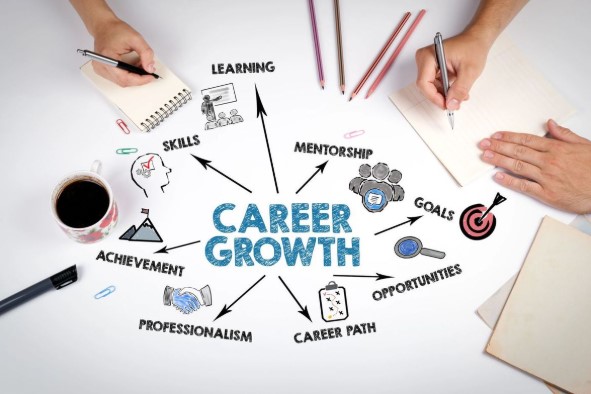
Job Shadowing
Job shadowing allows employees to observe experienced colleagues and learn how they handle daily tasks and responsibilities. This hands-on exposure helps employees understand workflows, develop practical skills, and gain insight into different roles. It encourages learning by example and broadens professional perspectives. Ultimately, job shadowing supports skill development and career growth.
Career Mentoring
Mentoring establishes a structured relationship between a seasoned professional and a less experienced employee. Through regular guidance and support, mentees gain valuable advice on navigating their career paths. Mentors provide insights, feedback, and encouragement to help employees achieve their professional goals. This relationship fosters long-term development and confidence.
Performance Coaching
Coaching focuses on individualized development, helping employees achieve specific objectives and enhance performance in their current roles. Coaches work closely with employees to identify strengths and areas for improvement. They provide strategies, feedback, and support to maximize potential. Personalized coaching empowers employees to reach their goals efficiently.
Leadership Development
Leadership development programs prepare employees for managerial and executive roles by enhancing leadership skills and decision-making capabilities. Participants learn to motivate teams, manage projects, and make strategic choices. This training builds confidence and equips employees with tools to take on greater responsibilities. Strong leadership pipelines benefit both employees and organizations.
Tuition Support
Tuition reimbursement programs allow employees to pursue further education or specialized training at reduced personal cost. By supporting formal learning, employers help staff expand their knowledge and improve qualifications. This investment enhances professional capabilities and positions employees for career advancement. Employees feel valued and motivated to grow within the organization.
Skill Training
Professional development training provides opportunities to acquire new skills, stay current with industry trends, and expand knowledge. These programs may include workshops, seminars, or online courses tailored to employees’ needs. Continuous learning ensures employees remain competitive and adaptable. It fosters innovation, expertise, and long-term career success
Employer Role in Staff Advancement
Employer’s Role
Employers play a vital role in fostering the career development of their workforce. By actively supporting employees’ growth, organizations can boost engagement, retention, and overall performance. Career development initiatives benefit both staff and the company. Employers must take structured steps to ensure meaningful professional growth for their employees.
Training Resources
Providing resources for training and development programs allows employees to acquire new skills and knowledge. This includes funding for courses, certifications, workshops, and educational programs. Access to such resources helps staff stay competitive in their field. Well-supported employees are more confident and capable in their roles.
Career Coaching
Offering career guidance and coaching helps employees align personal career goals with organizational objectives. Mentorship and coaching sessions provide advice on skill development and career planning. Employees can clarify their goals and identify growth opportunities. This structured support accelerates professional development and readiness for advancement.
Advancement Opportunities
Creating opportunities for promotion and career growth motivates employees to perform at their best. Clear career paths and advancement prospects increase loyalty and retention. Employees feel valued when they see tangible ways to progress within the organization. This approach strengthens both morale and organizational commitment.
Resource Utilization
Encouraging employees to utilize available resources ensures they can achieve their career aspirations effectively. Access to tools, training, and support empowers staff to develop professionally. Employees who make full use of resources gain practical experience and confidence. This leads to a skilled, motivated, and engaged workforce.
Regular Feedback
Providing regular feedback helps employees recognize their strengths and areas for improvement. Constructive feedback guides staff toward actionable steps for career progression. Frequent reviews support continuous learning and performance enhancement. Ultimately, feedback fosters growth and prepares employees for future opportunities.
Obstacles in Career Development
Limited Resources
Budget constraints, small teams, and outdated systems make it difficult for organizations to implement career development initiatives effectively. Employees may not receive the training, mentoring, or tools they need to grow professionally. As a result, the potential benefits of these programs are diminished. Allocating proper resources is essential to ensure accessibility and meaningful impact.
Unclear Career Paths
Programs often launch without a defined career progression framework, leaving employees uncertain about growth opportunities. This lack of clarity can lead to frustration, disengagement, and higher turnover rates. Employees need transparent paths that outline how they can develop skills, gain promotions, and achieve long-term goals. Structured frameworks support internal talent growth and succession planning.
Weak Leadership Support
When management does not actively endorse or participate in career development programs, employees perceive growth as a low priority. This leads to low engagement, minimal participation, and a lack of motivation. Strong leadership involvement is crucial to demonstrate the organization’s commitment to employee growth. Leaders must champion programs, provide guidance, and encourage continuous learning
FAQ
How can I start career development?
Begin by identifying your skills, interests, and career goals. Explore training, mentorship, and professional experiences that align with your objectives, and create a structured plan to achieve them
Who is responsible for career development?
Both employees and employers share responsibility. Employees should take initiative in learning and goal setting, while employers provide guidance, resources, and opportunities for growth
In conclusion, the career development definition emphasizes the continuous journey of acquiring skills, knowledge, and experience to advance professionally. Oxford provides comprehensive resources and guidance to help individuals understand and apply this concept effectively. By embracing structured learning and practical experiences, learners can achieve their career goals and unlock new opportunities.